
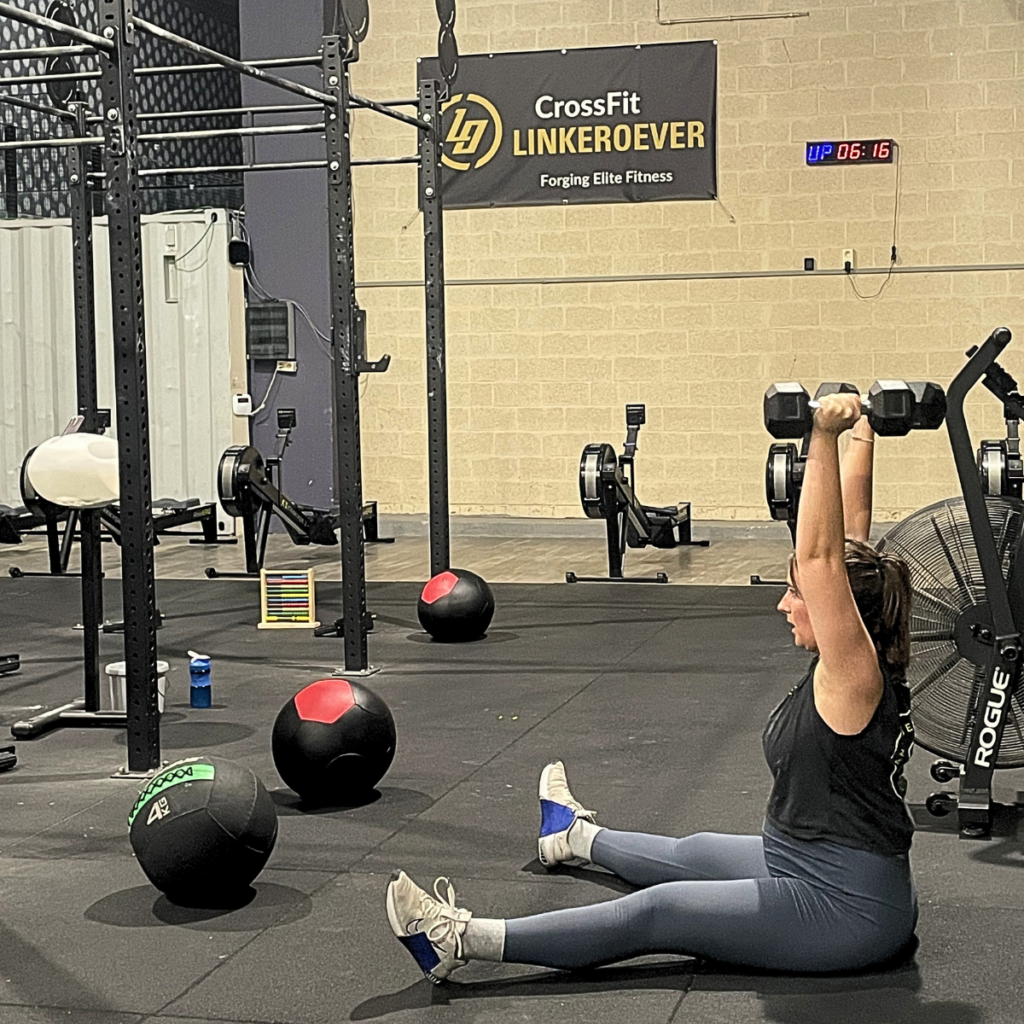
Pregnant or postpartum and still want to CrossFit? Here’s how to approach it
You’re pregnant, or you’ve just given birth, and you’re wondering whether (and how) you can keep training at the
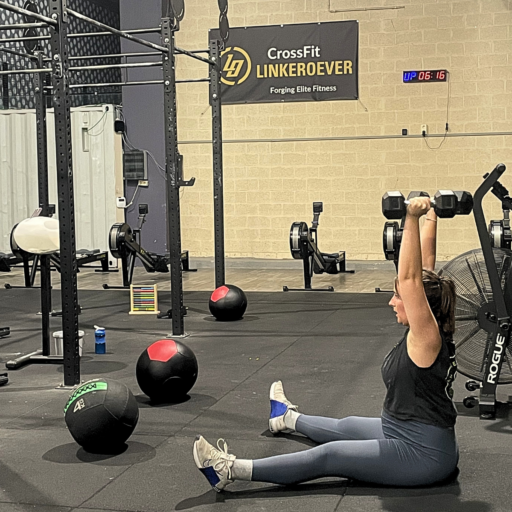
You’re pregnant, or you’ve just given birth, and you’re wondering whether (and how) you can keep training at the box. The good news: in most cases, you absolutely can. You’re not fragile, and you don’t need to put your fitness “on hold.” What does change is a lot, in and around your body, and that calls for training with a bit more awareness and intention.
In this article, we explain what happens to your body during and after pregnancy, why your coach may adjust certain movements, and how you can tune in to what your own body needs.
Let’s be clear about this from the start: being pregnant or postpartum doesn’t make you any less of an athlete. You’re still strong, capable, and competent. What changes is what your body can handle right now and that’s nothing to feel bad about.
At the same time, you’re not invincible either. That’s exactly why your coach works with adapted movements and pacing during this season: not to hold you back, but to guide you through it safely and effectively.
Here’s an interesting quirk: your brain doesn’t always “register” during training that you’re pregnant. Your drive to push hard often stays fully intact, even when your body is asking you to ease off a little.
It can help enormously to revisit your “why” for this season. Instead of training to hit a PR or beat the clock, the goal can temporarily shift toward supporting the wellbeing of your body (and your baby). That’s not a step back, it’s just as valid a form of strength.
A lot changes during pregnancy, and it has a direct effect on how you should train:
Giving birth is a major physical event, a kind of trauma your body needs time and space to recover from. With enough rest and a thoughtful, gradual return, that recovery is entirely possible, and you may even come back stronger than before.
There’s no single timeline that applies to everyone. Every return to training looks different, depending on your birth, your recovery, and your personal circumstances. “Slow is fast” is the guiding idea here: taking time to rebuild gradually actually saves you time and protects your health in the long run.
It can also help to shift your motivation for a while: away from competing or comparing yourself to others, and toward recovery, the demands of early motherhood, and whenever you’re ready, a return to competition if and when you want it.
You might notice your coach having you do different versions of certain movements during this time. That’s not random, it’s specifically meant to keep you training safely, given everything above. A few examples:
You don’t have to figure all of this out on your own, your coach is there to help. But it’s useful to know what you’re both keeping an eye on:
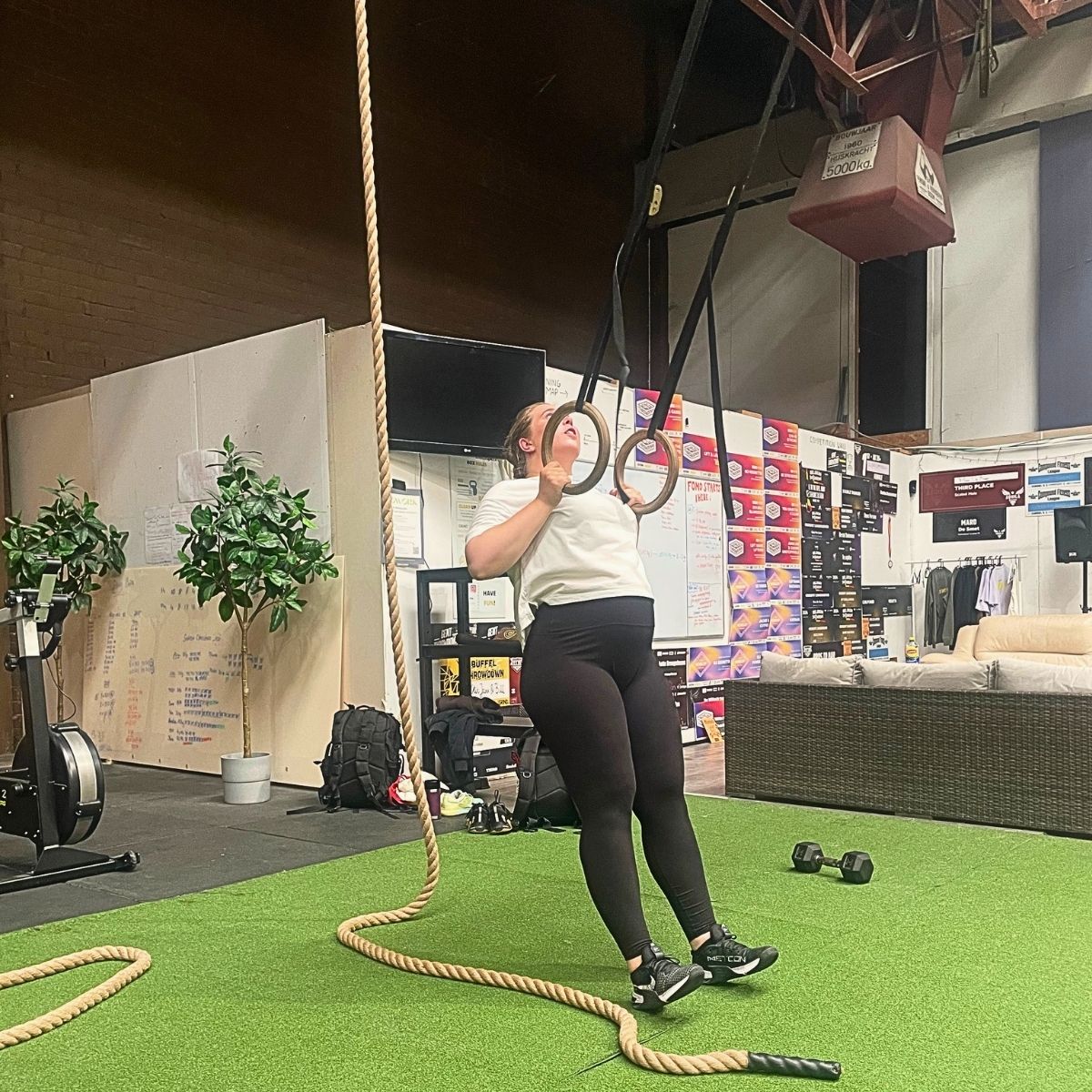
Your body is doing something incredible right now. Scaling isn’t a step backward, it’s a sign of strength and self-awareness. By working with what your body needs, you’re not just supporting a safe pregnancy or recovery, you’re also laying the groundwork to come back stronger, more stable, and more confident afterwards.
Have questions about your specific situation? Feel free to reach out to your coach at CrossFit Linkeroever, we’re happy to think it through with you. You can also find our Scaling Guide in the box!

info@crossfitlinkeroever.be • Blancefloerlaan 181, 2050 Antwerpen